Planning a safari from Kurdistan takes more than picking a date. You need clear answers on flights, visas, costs, and what actually happens on the ground. This Masai Mara travel guide for Kurdish speakers covers those steps honestly, without the vague “international visitors welcome” language you find on most English sites.
The Masai Mara is Kenya’s most famous wildlife area, sitting in the southwest near the Tanzanian border. The Mara River cuts through it, and the great wildebeest migration crosses that river every year. For Kurdish travelers, the journey is long but doable.
What does this Masai Mara travel guide for Kurdish speakers include?
This guide covers when to visit, visas, flights from Iraq or Turkey, language, costs, where to stay, and health and safety basics.
Where is the Masai Mara and why do people go there?
The Masai Mara National Reserve covers about 1,500 square kilometers. It forms the northern part of the Serengeti ecosystem, with open grassland, scattered acacia trees, and rolling hills.
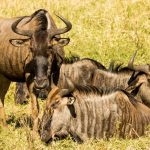
People go for one main reason: wildlife, including all of the Big Five. The wildebeest migration, which brings over a million animals from Tanzania, mainly happens between July and October and draws the largest crowds.
The reserve borders several private conservancies, community owned lands where wildlife roams freely. They offer quieter viewing and often better wildlife density. Names like Mara North, Naboisho, and Olare Motorogi come up often. We compare them later.
What is the best time to visit the Masai Mara?
It depends on what you want to see.
For the migration and river crossings, plan for July through October. The herds gather on the Mara side, and crossings happen most days, though never on a fixed schedule. This is also the busiest and most expensive season.
For general wildlife viewing, the green season from December to April is excellent. The grass is short after the rains, so animals are easier to spot, and calving season in January and February attracts predators. Prices are lower, and the landscape is lush.
June and November are quieter months, with the migration between parks and some camps closed for maintenance. These months suit travelers who want fewer people over ideal weather.
For a deeper look at monthly trade-offs, see our best time to visit Masai Mara guide.
Do Kurdish travelers need a visa for Kenya?
Yes. Kenya uses an electronic travel authorization system, called eTA. Most nationalities need it, including Iraqi, Turkish, Iranian, and Syrian passport holders.
The process is online. You fill a form, upload a passport photo and passport scan, and pay a fee. The eTA costs about USD 34 for most applicants and is valid for a single entry. Processing usually takes 2 to 5 working days, but apply at least two weeks before you fly.
You also need a passport valid for at least six months from your arrival date, with two blank pages for entry stamps.
Apply only through the official Kenyan government site, etakenya.go.ke. Many third party sites charge extra fees or are not official at all, so type the address carefully rather than following a search ad.
How do I get from Iraq or Turkey to the Masai Mara?
Flying to Nairobi is the first step. From Erbil or Sulaymaniyah, you will likely connect through Istanbul or Doha. Turkish Airlines flies from Istanbul to Nairobi daily, and Qatar Airways connects through Doha. Flight time from Istanbul is about 6 hours, and from Doha about 5 hours.
From Jomo Kenyatta International Airport in Nairobi, you have two ways to reach the Masai Mara. Fly-in safaris use a domestic flight from Wilson Airport, about 20 minutes from the international terminal. The flight lands at an airstrip inside or near the reserve in 45 to 60 minutes. This costs more but saves a full day of travel.
Road safaris are cheaper. The drive from Nairobi takes 5 to 6 hours, paved at first and rough dirt road near the end. It is tiring but scenic, and many budget operators use this route.
For most first time visitors, a fly-in is worth the extra cost, since it avoids a long drive after an international flight.
Is English widely spoken in the Masai Mara?
Yes. English is the standard language for safari guides, camp staff, and park officials. Swahili is the local language, but you rarely need it.
There are no known Kurdish-speaking guides in Kenya, and it helps to know that up front. Ask for a guide who speaks clear, simple English. Most travelers from Kurdistan manage fine with basic English plus a translator app on their phone.
For help with planning in Arabic, which some Kurdish travelers also use, see our Kenya safari planning guide for Arabic speakers.
How much does a Masai Mara safari cost per person?
Costs vary widely based on season, accommodation, and transport. The figures below are per person for a full day, including meals and game drives.
| Camp Type | Green Season (Dec-Apr) | Peak Season (Jul-Oct) | What You Get |
|---|---|---|---|
| Budget camping | USD 150 to 250 | USD 250 to 350 | Shared tent, basic bathroom, road transport |
| Mid-range lodge | USD 300 to 500 | USD 450 to 700 | Private room, en-suite bathroom, fly-in option |
| Luxury conservancy | USD 600 to 1,000 | USD 900 to 1,500 | Private game drives, exclusive land, all-inclusive |
Park fees are set separately by the Narok County Government and are worth budgeting for on their own. Non-resident entry to the Masai Mara National Reserve costs USD 100 per adult per day from January to June. From July to December, the peak migration months, the rate rises to USD 200 per adult per day. Children usually pay a lower rate; ask your operator for current pricing.
Private conservancies such as Mara North, Naboisho, and Olare Motorogi do not usually charge a separate gate fee. Instead, access is bundled into the nightly lodge rate. This works out to roughly USD 80 to 150 per person per night, depending on the conservancy and season. Confirm what is included before booking, since some quotes list fees separately.
For a full breakdown of what affects price, including hidden costs, read our Kenya safari cost guide.
Should I stay inside the reserve or in a private conservancy?
Inside the national reserve, you get the classic Mara experience, with the migration and the famous river crossings. Crowds can be heavy in peak season, especially at popular crossing points. Vehicle numbers at a sighting are capped, but you will still see many safari cars.
Private conservancies such as Mara North, Naboisho, and Olare Motorogi sit next to the reserve, with wildlife moving freely between them. Benefits include fewer vehicles, night drives, and walking safaris, and big cats are often easier to spot. The cost is higher, but many travelers say it is worth it.
If your goal is the river crossings, you need time inside the reserve. If your goal is quiet, high quality wildlife viewing, a conservancy is better. Many mid-range itineraries split nights between the two.
For a detailed comparison of specific camps and lodges, see our where to stay in the Masai Mara guide.
How many days do you need in the Masai Mara?
Most people plan 3 to 4 days in the Mara, enough for 6 to 8 game drives. You will see the main wildlife, with a decent chance of a river crossing if you visit during migration season.
If you only have 2 days, you can still see a lot, but your schedule will be tight. Expect one full day of game drives plus a short morning drive before your flight out.
For a relaxed pace, 5 days is ideal. You can explore different areas of the reserve, take a walking safari in a conservancy, and visit a Maasai village.
What is the wildebeest migration and when does it happen?
The migration is a year-round movement of about 1.5 million wildebeest, zebra, and gazelle, following the rains between Tanzania’s Serengeti and Kenya’s Masai Mara.
From July to October, large herds are in the Mara. The river crossings are the dramatic highlight, with crocodiles waiting as herds gather, hesitate, and surge across. It is chaotic, loud, and unforgettable.
No one can predict the exact date of a crossing. Do not book a 2 day trip expecting to see one; plan at least 3 days during peak season to raise your odds. Outside of July to October, the herds are mostly in Tanzania, though the Mara still has excellent resident wildlife.
Can I combine the Masai Mara with other Kenya parks?
Yes, and many travelers do. The most common pairing is Amboseli and the Mara. Amboseli is known for its huge elephant herds and views of Mount Kilimanjaro, south of Nairobi about a 4 hour drive or a short flight. A typical combo is 3 nights in the Mara and 2 nights in Amboseli.
Another option is Lake Nakuru, known for rhinos and flamingos. It is a small park that works well as a one night stop between Nairobi and the Mara. Samburu in the north is a third choice, with drier scenery and species like the Grevy’s zebra. It adds more days to your trip, usually 7 to 9 in total.
For comparisons, see our Masai Mara vs Amboseli guide and the Amboseli safari guide.
Is the Masai Mara safe for solo or family travelers?
Yes, the Mara is safe for responsible travelers. The main risks are minor: sunburn, dehydration, and insects. Violent crime against tourists inside the reserve is very rare. The bigger concern is road safety, especially driving from Nairobi at night, so book with a reputable operator who uses experienced drivers.
For families, most camps welcome children above a certain age, often 6 or 8. Policies on walking safaris vary by conservancy, so ask before booking.
Malaria exists in the Mara region, so visit a travel clinic before your trip. They will likely recommend anti-malarial tablets and vaccinations for yellow fever and typhoid. Yellow fever vaccination is required if you arrive from a country with risk of transmission.
Sun protection is essential too. Bring a wide brim hat, SPF 50 sunscreen, and sunglasses. For a full list of what to pack, see our Kenya safari packing list.
What Maasai cultural experiences are available?
The Maasai are the indigenous people of the Mara region. Many camps offer village visits, where you see traditional manyattas, learn about beadwork and cattle herding, and watch a jumping dance.
These visits are organized and respectful, and a portion of your entry fee goes to the village. Some travelers find them touristy, but they provide direct income to local families. Ask permission before close up photos of people, and a small cash tip is customary.
What practical tips help first time Kurdish travelers?
Carry US dollars in cash for tips and small purchases, plus some Kenyan shillings for markets and small shops.
Power sockets are type G, the same as the UK, so bring an adapter. Internet is available at most lodges but is slow, so download offline maps and translation packs before you arrive.
Dress conservatively. In the bush, neutral colors like khaki and olive work best, since bright white can disturb wildlife. Long sleeves and trousers protect against insects and sun.
Ready to plan your Masai Mara safari?
Compare vetted operators and browse packages that match your dates and budget. The right itinerary depends on your priorities: migration crossings, quiet luxury, or a mixed adventure with other parks. Use the tools and guides at FindMySafari, Valley Safaris, and Trunktrails Safaris to compare safari operators before you book.
Where can I find more safari planning resources?
- Masai Mara Great Migration guide from Trunktrails Safaris
- Interactive Maasai Mara map from Valley Safaris
- Masai Mara destination guide on FindMySafari
- Wildebeest migration route map from Valley Safaris